

Starting skincare can feel confusing when there are hundreds of products, ingredients, and beauty trends to choose from. The good news is that beginners do not need a complicated routine to take better care of their skin.
A simple routine built around cleansing, moisturizing, sun protection, and a few healthy habits can be easier to maintain than a shelf full of products. The most important thing is choosing products that suit your skin and introducing new products gradually.
In this beginner-friendly guide, you’ll learn 10 simple steps to build an easy daily skincare routine, understand when to use different products, and avoid common mistakes that can leave your skin feeling irritated.
1. Start With a Gentle Facial Cleanser
Cleansing is a basic part of both morning and evening skincare. During the day, your skin can collect sweat, excess oil, makeup, sunscreen, and environmental dirt.
A Gentle Facial Cleanser can help remove this buildup without relying on harsh scrubbing. Choose a formula that feels comfortable on your skin and suits your individual needs.
Wet your face with lukewarm water, apply a small amount of cleanser with your fingertips, and massage gently. Rinse thoroughly and pat your skin dry with a clean towel.
Avoid using very hot water or rubbing your face aggressively. If your skin consistently feels tight or uncomfortable after cleansing, consider trying a gentler or more hydrating formula.

2. Moisturize and Protect Your Skin During the Day
Moisturizing helps keep the skin comfortable and supports the skin barrier. During the daytime, sun protection is another important part of a basic skincare routine.
A Moisturizer with SPF can be a convenient option for people who prefer fewer steps in their morning routine. If you use a combined product, check the label to make sure it provides suitable broad-spectrum protection and follow the application instructions.
Apply your daytime skincare according to the product directions. Remember that sunscreen generally needs to be reapplied as directed, particularly after swimming, sweating, or spending extended periods outdoors.
Don’t forget commonly exposed areas such as your neck, ears, and the backs of your hands.
Simple tip: Make sun protection part of your everyday routine rather than treating it as something you only need during vacations.

3. Keep Your Skin Hydrated
Hydrated skin often feels more comfortable and can have a fresher appearance. You can support hydration with a suitable moisturizer and, if needed, skincare products designed specifically for dehydrated skin.
Ingredients such as glycerin and hyaluronic acid are commonly found in hydrating formulas. However, you don’t necessarily need several hydration products.
Start with one suitable product and observe how your skin responds. Drinking fluids regularly is also part of general wellbeing, although simply drinking more water is not a substitute for appropriate skincare.

4. Exfoliate Carefully
Exfoliation can help remove dead skin cells from the surface of your skin, but beginners should avoid overdoing it.
There are two broad types of exfoliation: physical and chemical. Physical exfoliants use particles or tools, while chemical exfoliants use ingredients that loosen dead skin cells.
The right option depends on your skin type, sensitivity, and the specific product. Always follow the instructions on the product you choose.
Avoid using multiple exfoliating products at the same time unless you know that your skin can tolerate the combination. If your skin becomes irritated, red, excessively dry, or uncomfortable, stop the exfoliating product and allow your skin to recover.

5. Introduce Active Ingredients Slowly
Once you are comfortable with the basics, you may decide to add a targeted skincare product.
Common active ingredients include vitamin C, niacinamide, salicylic acid, and retinoids. These ingredients can serve different purposes, and not every ingredient is appropriate for every person.
For beginners, introducing one new active product at a time is a practical approach. This makes it easier to identify which product is responsible if irritation occurs.
Always read the product instructions and consider your existing routine before combining active ingredients.
If you have persistent skin concerns or are unsure which active ingredient is appropriate for you, a qualified dermatologist or healthcare professional can provide personalized advice.

6. Give Your Skin Time to Adjust
One of the biggest beginner mistakes is changing products too quickly.
When you start a new skincare product, your skin may need time to adjust. Using several new products simultaneously also makes it difficult to determine which product is working well or causing irritation.
Instead, introduce products gradually and pay attention to how your skin feels.
Patch testing according to the manufacturer’s instructions can also be useful for certain products. However, even a patch test cannot guarantee that a product will never cause irritation.

7. Keep Your Hands and Beauty Tools Clean
Your skincare routine isn’t only about what you put on your face. Clean hands and beauty tools are also important.
Wash your hands before applying skincare products, particularly if you are touching your face directly.
If you use reusable tools such as facial rollers or cleansing brushes, clean them according to the manufacturer’s instructions. Avoid sharing personal beauty tools with other people.
Also keep product containers closed when you’re not using them and follow their storage instructions.
These small habits can make your routine cleaner and more organized.

8. Pay Attention to Your Neck and Hands
Your face is not the only area that receives daily environmental exposure.
The neck and hands are often exposed to sunlight, weather, and frequent washing. When applying suitable moisturizer and sun protection, remember these areas as well.
Be gentle when applying products. There is no need to aggressively rub or massage the skin.
Keeping a simple routine for your neck and hands can complement your overall skincare habits.

9. Build a Simple Morning and Evening Routine
A beginner routine does not have to contain ten different products.
Morning
A basic morning routine can include:
- Gentle cleansing if needed.
- Moisturizing.
- Broad-spectrum sun protection.
Evening
A simple nighttime routine can include:
- Removing makeup or sunscreen.
- Cleansing.
- Applying a suitable treatment product if needed.
- Moisturizing.
The exact routine depends on your skin type and the products you use. If your skin is sensitive, keeping the routine simple can make it easier to identify potential irritants.
If you’re looking for another beginner-friendly beauty routine, you can also read our Simple Steps for Healthy, Glowing Skin guide for more skincare ideas.
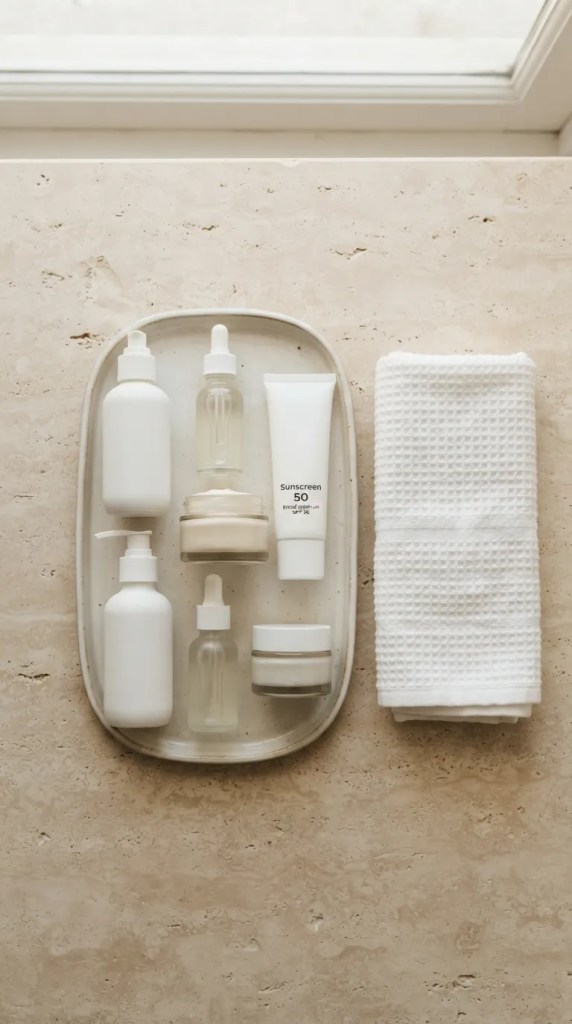
10. Stay Consistent and Listen to Your Skin
Consistency is one of the most useful habits for beginners.
Instead of constantly switching between trending products, create a routine that is simple enough to follow every day. Pay attention to how your skin feels and make changes gradually.
Remember that healthy skin does not need to look perfectly smooth or poreless. Natural skin has pores, texture, fine lines, marks, and other normal variations.
The goal of skincare should be to keep your skin comfortable, clean, moisturized, and protected—not to achieve an unrealistic version of perfection.
If you experience persistent irritation, significant changes, pain, or other concerning symptoms, consider seeking advice from a qualified healthcare professional.

Common Skincare Mistakes Beginners Should Avoid
Starting with too many products can make skincare unnecessarily complicated. Here are some common mistakes worth avoiding.
Using Too Many Products
More products do not automatically mean better results. Start with the basics and add products gradually.
Scrubbing Too Hard
Aggressive physical scrubbing can irritate the skin. Gentle application is usually preferable.
Skipping Sun Protection
Regular sun protection is an important part of daytime skincare.
Changing Products Constantly
Give your routine time and introduce new products one at a time.
Copying Someone Else’s Routine
Your skin may have different needs from your friend’s or favorite influencer’s skin.
Ignoring Irritation
If a product causes significant discomfort or irritation, stop using it and consider getting professional advice.
How to Create a Skincare Routine on a Budget
You don’t need an expensive collection of beauty products to get started.
Focus on a few useful categories rather than buying every product you see online.
A beginner can prioritize:
- A suitable cleanser
- A comfortable moisturizer
- Broad-spectrum sunscreen
- One targeted product if necessary
Look at the ingredients, instructions, size, and suitability for your skin rather than choosing a product simply because it is expensive.
A simple routine that you can consistently maintain can be more practical than an expensive routine with products you rarely use.
Frequently Asked Questions
| What is a good skincare routine for beginners? | A simple beginner routine can include cleansing, moisturizing, and daytime sun protection. Additional products can be introduced gradually based on individual skin needs. |
| How many skincare products should a beginner use? | There is no fixed number, but starting with a small number of basic products can make your routine easier to understand and maintain. |
| Should beginners exfoliate? | Beginners can choose to exfoliate if it suits their skin, but it is important to use exfoliating products according to their instructions and avoid excessive use. |
| Can I use the same routine morning and night? | Some basic products can be used at different times of day, but sunscreen is primarily a daytime product. Your evening routine can focus on cleansing and moisturizing. |
| How often should I wash my face? | The appropriate frequency depends on your skin type, products, activity level, and personal needs. Avoid excessive cleansing if it leaves your skin feeling dry or irritated. |
| Why does my skin feel dry after cleansing? | Your cleanser, water temperature, cleansing frequency, and individual skin characteristics can all contribute to dryness. Consider using a gentler cleanser and avoiding very hot water. |
| When should I add new skincare products? | Introduce new products gradually rather than changing your entire routine at once. Follow the product instructions and monitor how your skin responds. |
| Does healthy skin need to be completely clear? | No. Natural skin can have pores, texture, marks, fine lines, and occasional blemishes. Healthy skin does not have to look perfect. |
Final Thoughts
A good beginner skincare routine does not have to be complicated. The most useful approach is to start with a few basic habits, choose products that suit your skin, and remain consistent.
Gentle cleansing, moisturizing, sun protection, careful product selection, and patience can form a strong foundation for everyday skincare.
Don’t feel pressured to follow every new beauty trend. Your routine should fit your skin, lifestyle, and budget. With simple habits and realistic expectations, skincare can become an enjoyable part of your everyday self-care routine.